
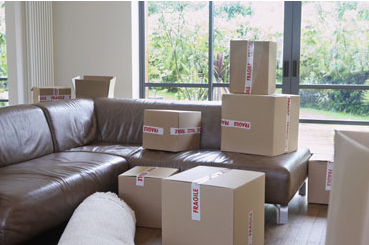
Multiple practical and effective methods can help protect your belongings during your next move.
Packing is often one of the most dreaded tasks during a move, especially when it comes to protecting your belongings. Whether it’s your favorite glassware, precious family heirlooms, or delicate electronics, every item requires a unique approach to packing. Fortunately, using the proper packing techniques can make all the difference in keeping your items safe and secure during transport. Multiple practical and effective methods can help protect your belongings during your next move.
Using the Right Packing Materials
Before diving into the packing process, having the right materials on hand is crucial. While it may be tempting to use any random box you find lying around, investing in sturdy, proper packaging materials will give you ease and prevent unnecessary damage. High-quality packing tape, bubble wrap, packing paper, and sturdy boxes of various sizes are all essential components to protecting your belongings.
Bubble wrap is a lifesaver when it comes to fragile items. It cushions the contents, preventing them from moving around inside the box during the move. For extra fragile items like glassware or porcelain, wrap them in packing paper first to provide additional protection. Don’t skimp on using enough bubble wrap—generously cushion both sides of delicate objects. You can never have too much when it comes to protecting your treasures.
When it comes to furniture, it’s essential to use moving blankets or pads to protect surfaces from scratches and dents. Wrap the blankets around the furniture, securing them with tape or straps. For larger, bulkier items, heavy-duty plastic wraps are great for keeping things secure and dust-free during the move.
Taking Care of Fragile Items
Fragile items like glass, porcelain, and ceramics require extra care when packing. For starters, avoid just tossing these items into a box. Wrap them individually in packing paper to create a protective layer. Use bubble wrap to cushion the edges and verify that fragile surfaces are shielded from any bumps during transit. Place these wrapped items into sturdy boxes with enough padding to keep them from shifting around.
When packing delicate glass items, be mindful of how you stack them. Place items vertically instead of lying them flat in the box, as this position helps distribute the weight more evenly. Also, label the boxes with fragile items clearly to give your movers a heads-up about the contents. When packing plates, always use extra layers of packing material in between each piece to avoid any pressure being placed directly on the edges, which can cause cracks.
Protecting Electronics and Appliances
Electronics and appliances are sensitive items to move. Whether it’s your flat-screen TV, computer, or refrigerator, they all require special attention to prevent damage. For electronics, make sure to pack them in their original boxes if available. If you no longer have the original packaging, wrap each item in bubble wrap and safeguard it with packing tape. Place the item in a box and surround it with more packing paper or foam inserts to keep it snug and protected.
For larger appliances like refrigerators, washers, and dryers, it’s important to disconnect all hoses, cords, and other attachments before packing them. Use moving straps to secure doors, making sure they don’t swing open during transit. Placing them on a dolly or flatbed cart can also make moving large appliances more manageable and prevent them from being tipped over.
Packing Books, Binders, and Paperwork
Books, binders, and paperwork are often overlooked when it comes to packing, but they deserve just as much care as fragile items. Books are heavy, and packing them incorrectly can lead to damaged spines or torn pages. The best way to pack books is to pack them in smaller boxes to avoid overloading them with weight. Stack them upright like they would be on a shelf, with the spines facing the same direction.
For necessary paperwork, like legal documents or financial records, it’s a good idea to place them in file boxes or protective binders. Organize and label these items accordingly, so you can easily locate them when you settle into your new space.
Packing Clothing and Linens
Packing clothes, linens, and soft items doesn’t need to be complicated. Wardrobe boxes with built-in hangers are perfect for hanging clothes such as suits, dresses, or anything that requires a wrinkle-free transfer. For items like sheets, towels, and blankets, fold them and place them in large, durable boxes. You can also use suitcases to pack clothes, saving space in your boxes and making the unpacking process a breeze.
If you’re tight on space, you can also use vacuum-sealed bags to reduce the bulk of your linens and clothing. These bags help protect against moisture and dust while maximizing the available space in your moving boxes.
Packing Furniture
When it comes to furniture, the most important thing is to disassemble pieces when possible. If your bed, desk, or table has removable parts, take them apart to make the individual pieces easier to pack and prevent any damage to the structure. Keep all screws, nuts, and bolts in labeled plastic bags or containers to make reassembly quick and straightforward.
For larger furniture, like couches or armchairs, moving blankets or protective padding are essential for preventing scratches and dings during the move. If you’re moving items like glass tables or mirrors, wrap them thoroughly in bubble wrap and place them in a box that’s designed for fragile items. Large mirrors can also be moved with the use of custom crates that are built for their protection.
Strategic Box Packing
When packing boxes, consider arranging your items to maximize space while keeping everything secure. Avoid overpacking boxes, as this can make them tear or collapse under pressure. Always pack heavier items at the bottom of the box and lighter items on top. This stacking method verifies that the weight is distributed evenly and prevents damage to more delicate belongings.
Another important tip is to fill empty spaces in your boxes. If there are gaps between items, use packing paper, foam peanuts, or crumpled newspaper to fill them in. This extra cushioning will keep everything in place and minimize the risk of damage.
Labeling and Organizing Boxes
One of the most effective ways to protect your belongings during a move is to stay organized. As you pack, label each box with its contents and the room it pertains to. Use bold, clear writing to mark boxes containing fragile items with “fragile” or “handle with care.” This way, your movers will know precisely how to handle each box, reducing the chances of accidental damage.
Color-coded labels or tape can also help streamline the unpacking process. Assign different colors to each room and mark the corresponding boxes. This system makes it easy to direct boxes to the right space without sifting through dozens of labeled containers.
Final Thoughts
Packing doesn’t have to be a stressful part of your move. With the right packing techniques and materials, you can protect your belongings and make the process go more smoothly. From wrapping fragile items carefully to disassembling furniture, every little bit of attention to detail helps guarantee that your items arrive at your new home safely. Take the time to pack strategically, and you’ll be able to enjoy a smoother, less stressful move—without the worry of broken or damaged items. If all else fails, professional packing services are always available to take care of the job for you.


