
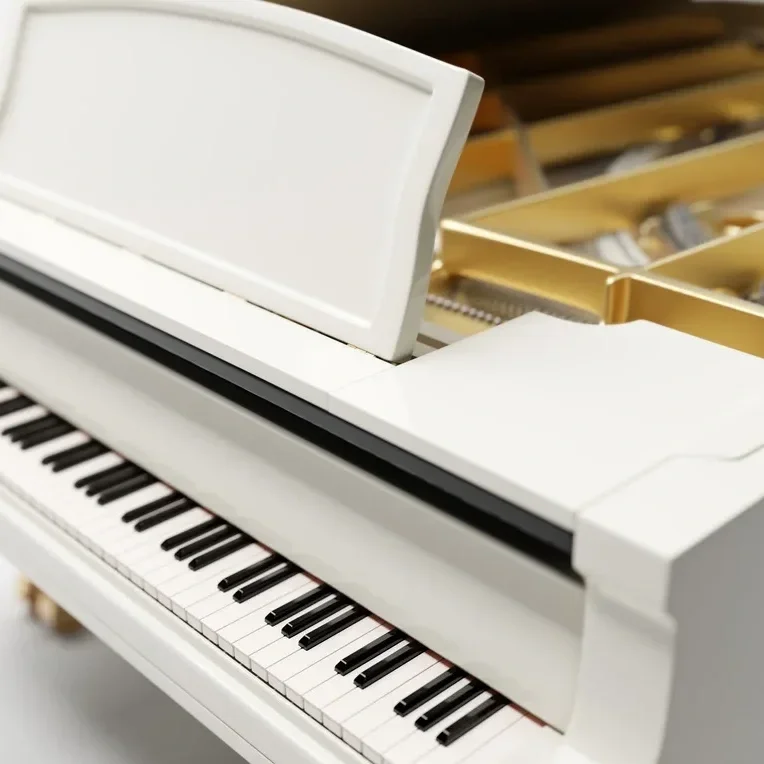
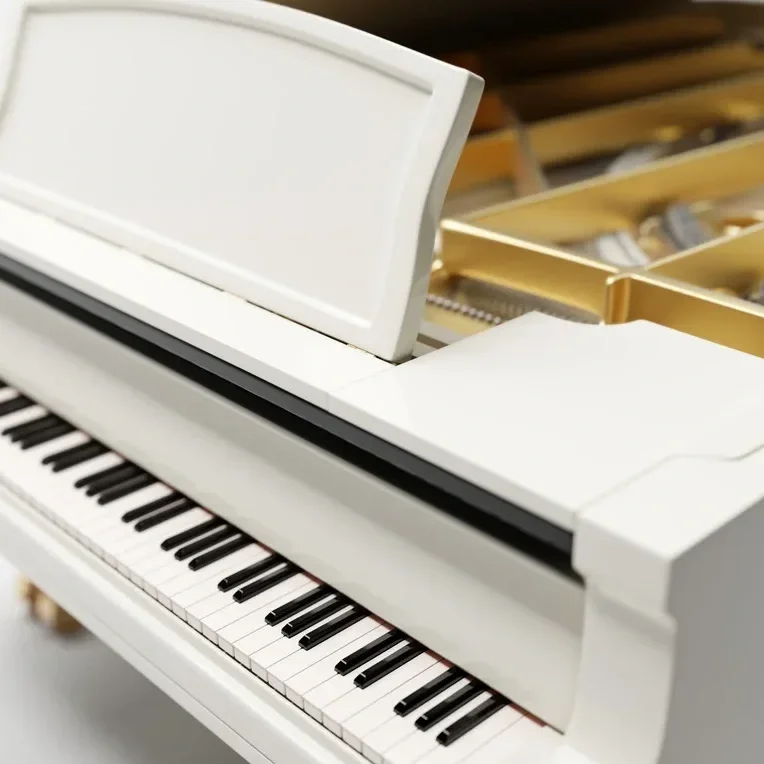
For anyone looking to move a piano, whether across town or to a different state, understanding the challenges involved can make a big difference in how the process unfolds.
Moving a piano is not for the faint of heart. These beautiful yet bulky instruments come with unique challenges. Whether it’s the sheer weight, the delicate internal components, or the often-awkward shapes of the pianos themselves, handling a piano move requires precision, experience, and the right tools. For anyone looking to move a piano, whether across town or to a different state, understanding the challenges involved can make a big difference in how the process unfolds. Fortunately, professional piano movers specialize in overcoming these hurdles with skill and expertise.
The Weight of the Challenge
Pianos are heavy. There’s no way around it. From uprights to grand pianos, these instruments often weigh several hundred pounds. Grand pianos can exceed 1,000 pounds, making them particularly difficult to move. Not only is it important to account for the piano's weight, but its weight distribution can also cause additional complications. With large pianos, the center of gravity can make tipping or moving the piano without specialized equipment almost impossible.
Expert piano movers have the right tools to manage this weight. Using specialized dollies, straps, and moving boards, they can safely lift and transport the piano. With careful maneuvering and the assistance of a trained team, heavy pianos are moved without risk of injury or damage to the instrument.
Navigating Narrow Spaces
One of the biggest obstacles during a piano move is navigating narrow hallways, doorways, and staircases. Whether you live in a house with narrow stairways or a high-rise apartment, getting a piano in and out of tight spaces can be a delicate operation. The shape of a piano, particularly a grand piano, makes it difficult to fit through certain openings, and any misstep could result in a scratched surface or even a damaged instrument.
Piano movers are skilled at evaluating the path and determining the best way to maneuver through narrow spaces. They know how to angle the piano to maximize available space and protect it from damage during the move. Using specialized moving equipment, such as boards or blankets, they can also prevent unwanted scratches or dings while navigating tight corridors or tricky staircases.
Preserving the Piano’s Condition
Pianos are delicate instruments. Even small bumps or jostling can throw them out of tune or damage their internal components. Some pianos, especially older models or antiques, may also have delicate finishes that require careful handling. For anyone who’s ever heard of a piano string snapping or seen a warped wood panel, it’s clear that any damage to the instrument can be costly to repair.
To prevent such issues, professional movers take great care when packing and transporting a piano. They use protective blankets, foam, and stretch wrap to shield the piano from any potential impacts. For grand pianos, the lid is often removed and carefully packed separately to avoid any breakage. Additionally, movers know how to properly strap and secure the piano to a dolly, ensuring it stays in place throughout the move.
Dealing with Temperature and Humidity Changes
Pianos are sensitive to changes in temperature and humidity. Wood can warp or crack, and metal parts can contract or expand when exposed to drastic changes in weather conditions. Whether you’re moving the piano to a hot, dry climate or a damp, humid environment, these changes can affect the integrity and sound quality of the instrument.
Expert piano movers understand the delicate nature of pianos and take steps to protect them during the move. They ensure the piano is transported in a climate-controlled vehicle to avoid sudden shifts in temperature or humidity. If the piano needs to be stored temporarily, the movers will use special packing materials to protect it from environmental damage until it reaches its destination.
Handling Tight Turns
Even when a piano is not navigating narrow spaces, there are often tight turns in a home or building that can complicate the moving process. The large size of many pianos means that they need to be rotated or maneuvered carefully to make sharp turns or to fit through corners. Trying to make these turns without the proper technique or equipment can easily lead to damage.
Professional movers are experts at managing tight turns. They know how to angle the piano to reduce the risk of damage to both the piano and the surrounding environment. By using moving boards, ramps, and other equipment, they can carefully rotate and move the piano with precision, making what could be a stressful and difficult task look easy.
The Need for Specialized Equipment
Without the right equipment, moving a piano can be an uphill battle. A standard dolly might not provide enough support, especially for grand pianos or antique models. Without the right tools, there’s a higher risk of damaging the instrument or injuring the movers.
Piano moving experts are equipped with a variety of specialized tools designed to handle every step of the process. These include:
Piano dollies, which are specifically built to hold the weight of a piano securely.
Moving boards or skid boards, which evenly distribute the piano's weight and provide a safe way to move it across floors or stairs.
Furniture pads and blankets to prevent scratches or dings to the piano's finish.
Heavy-duty straps to keep the piano secure during the move.
These tools, paired with a team of trained professionals, make it possible to move a piano safely and efficiently, without taking any shortcuts that could compromise the piano’s condition.
Dealing with Unforeseen Challenges
No move ever goes completely according to plan, and moving a piano is no exception. There are times when unforeseen challenges, such as narrow hallways, difficult access points, or weather conditions, may arise unexpectedly. A professional moving company’s expertise comes into play in these situations, as they are prepared for anything that comes their way.
Experienced piano movers are adept at thinking on their feet and finding solutions to problems that may crop up. They know how to pivot when necessary, whether that means finding alternative routes for the piano or adjusting the way it’s secured. Their flexibility and resourcefulness are key to handling any unexpected issues that arise during the move.
The Importance of Experience
Moving a piano isn’t something that can be done on a whim. It takes skill, knowledge, and experience to transport an instrument of such size and fragility successfully. Hiring a professional moving company specializing in piano transportation is the best way to ensure the job is done properly and without harming the piano.
Professional movers have handled countless piano moves over the years, each with its own unique set of challenges. Their experience enables them to assess each situation quickly and develop the best plan of action, using the right tools and techniques for the job. They also know how to protect both the piano and your home from any damage during the process.
Conclusion
Piano moving is a challenging task, but it doesn’t have to be stressful. While handling a piano requires careful planning, specialized equipment, and plenty of know-how, experts in piano moving have the training and experience to overcome all obstacles with ease. Whether you’re dealing with heavy equipment, tight spaces, or delicate woodwork, hiring professionals is the best way to ensure a smooth and successful piano move. When handled by the right experts, your piano will arrive at its destination safe and sound, ready to be played again.
Aardvark Movers Inc. is a reliable name whether you need packing services, piano moving, or load or unload only services. Call today to learn more about our hourly moving rates. We are a reputed moving services company you can count on in Phoenix, Scottsdale, Chandler, Tempe, Mesa, Gilbert, Glendale, Cave Creek, Carefree, Surprise, Sun City, Paradise Valley, Apache Junction, Maricopa County, and all of Arizona. Call now!


