
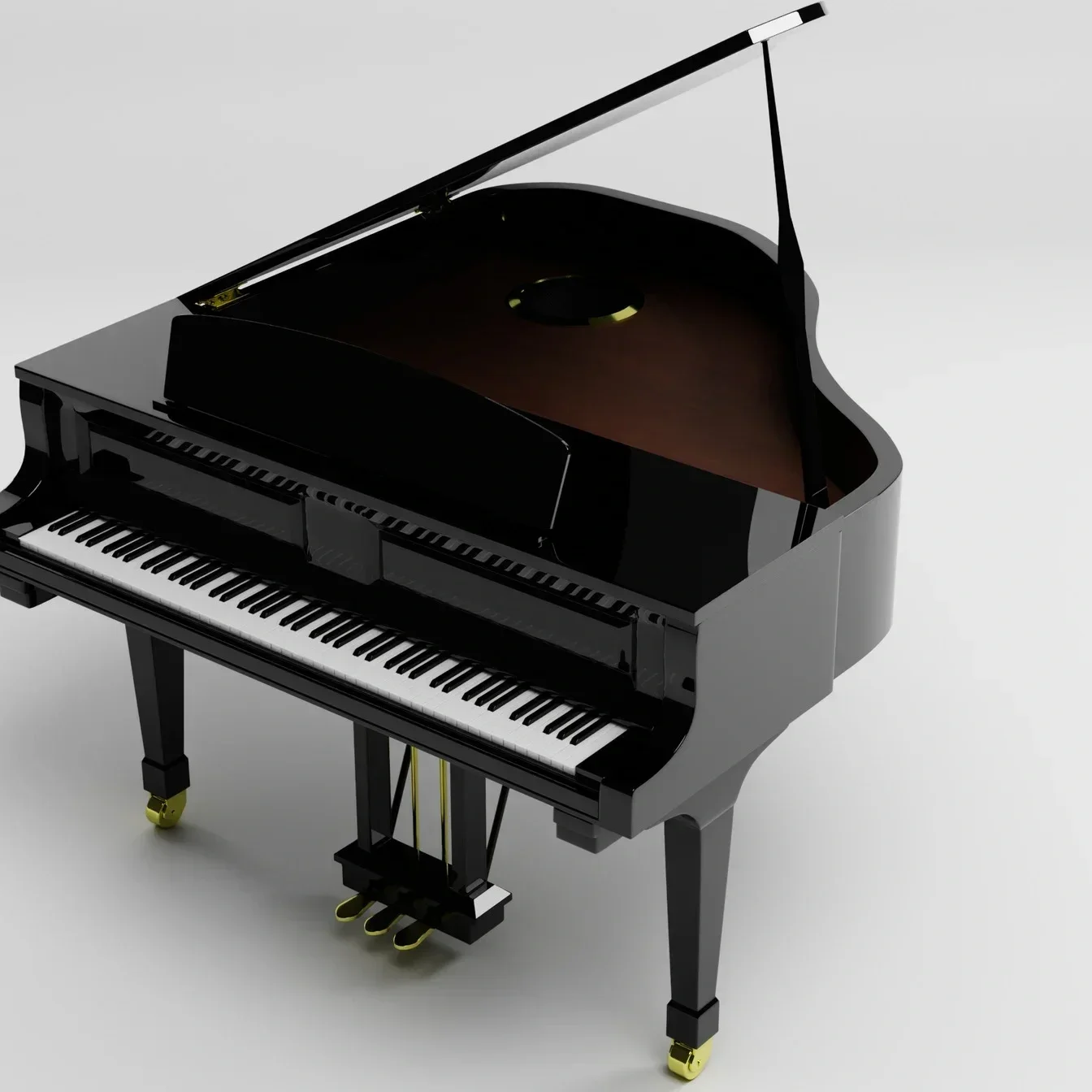
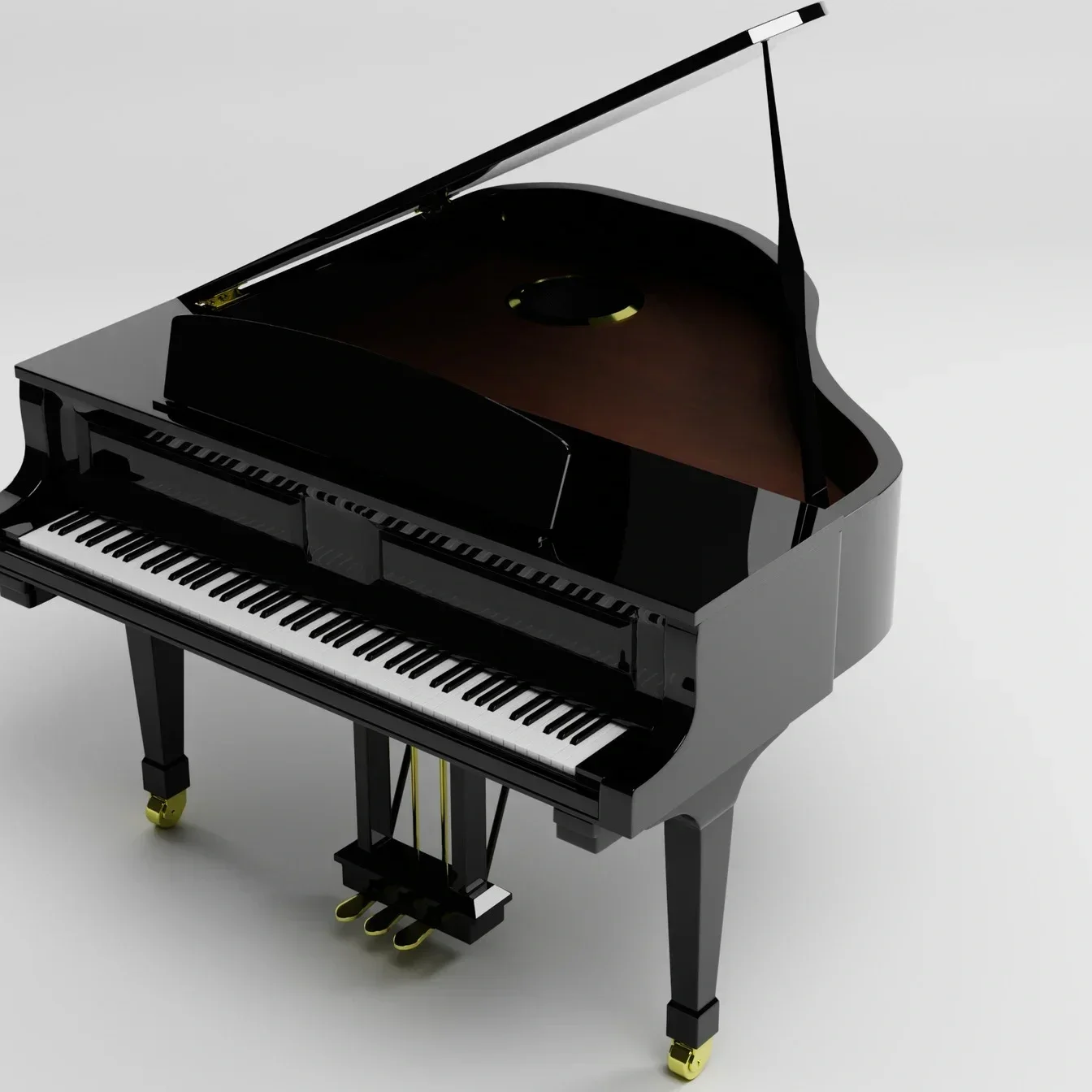
Whether moving a grand piano or an upright, several key considerations must be taken into account for a successful piano move.
Moving a piano is no simple task. With its weight, size, and delicate internal components, a piano is not something you can toss in the back of a truck with your other belongings. It requires careful planning, the right equipment, and expertise to make sure that it arrives safely and intact. Whether moving a grand piano or an upright, several key considerations must be taken into account for a successful piano move.
Understanding the Type of Piano Being Moved
Before diving into the logistics of moving a piano, it's essential to consider the type of piano you are dealing with. Different pianos come with their unique challenges, and understanding these differences can help plan the move effectively. Grand pianos are larger and more delicate than upright pianos, requiring special equipment and care during relocation. On the other hand, uprights, though smaller, can still be heavy and cumbersome to move.
The size and weight of the piano will determine the number of movers required, the type of equipment needed, and the duration of the move. A professional moving service will know how to assess the type of piano and plan the relocation accordingly.
Properly Disassembling the Piano
Before the move begins, certain parts of the piano may need to be disassembled. For grand pianos, removing the legs and pedals is often necessary to prevent damage during the move. For upright pianos, the lid may need to be secured or removed to facilitate a smoother and less risky relocation process. It's crucial to remember that the larger and more intricate the piano, the more disassembly may be required to move the instrument safely.
Disassembling parts also helps reduce the size and weight of the piano, making it easier to navigate through doorways and stairways. If you are working with a professional piano moving company, they will take care of disassembling and reassembling the piano as part of their service.
Using Specialized Equipment for Safe Transport
A piano is not like your typical household furniture, and it requires specialized equipment to ensure its safe transport. Standard dollies or hand trucks are not created to handle the weight and size of a piano. Professional movers use heavy-duty dollies designed explicitly for piano moving. These dollies are equipped with large wheels that can easily navigate over various surfaces, from carpeted floors to uneven ground, without placing unnecessary strain on the piano.
In addition to dollies, movers often use padded moving blankets to protect the piano from scratches or dents. These blankets help shield the piano from any accidental bumps or abrasions during the move. For added security, piano movers may also use tie-down straps to verify the piano stays in place during transport, preventing any shifting or rocking inside the moving vehicle.
Climate Control for Safe Piano Transport
Pianos are sensitive instruments, and fluctuations in temperature or humidity can cause irreparable damage. Wood can warp, metal can rust, and the piano's delicate inner workings can be affected by extreme conditions. To protect your piano during the move, climate control is essential.
When moving a piano over long distances, it's essential to use a climate-controlled vehicle. Many professional piano moving companies have trucks with heating and cooling systems to maintain a stable environment for the piano throughout the journey. If the piano will be temporarily stored before being moved into its new home, it's a good idea to choose a climate-controlled storage facility as well. These precautions help maintain the piano's integrity, preventing any weather-related damage.
Planning the Route and Space
Before moving day, it's vital to plan the best route from your current location to your new one. Narrow doorways, steep stairs, and tight hallways can all present obstacles when moving a piano. Professional movers will carefully assess the layout of both the departure and arrival locations to determine the best way to navigate these challenges.
If stairs or tight corners are involved, movers may need additional equipment, like ramps or hoisting straps, to carefully move the piano without risking damage to the instrument or the property. In some cases, a piano may even need to be moved through a window or lifted by a crane, particularly for grand pianos. Proper planning verifies that all obstacles are accounted for before the move begins.
Timing the Move Appropriately
Piano moving requires patience and time. Rushing through the process could lead to mistakes, accidents, and potential damage to the piano. Professional movers will allocate sufficient time to carefully and methodically move the piano. It's also essential to take weather conditions into account—rain, snow, or extreme heat can make a move riskier. A professional piano moving service will consider these factors when planning the move and scheduling the best time to transport the piano safely.
During the move, it's essential to allow for breaks as needed, particularly when moving larger pianos. Movers may need time to re-adjust their equipment or re-position the piano during tricky parts of the journey. A carefully planned and paced move will not only prevent damage but will also keep the process as stress-free as possible for everyone involved.
Having the Right Expertise
While anyone can attempt to move a piano, only trained professionals possess the expertise and knowledge necessary to do it safely. Piano movers specialize in handling large, delicate instruments, and their experience and expertise can make all the difference. From packing and disassembling to navigating tricky stairways and doorways, these professionals are prepared to tackle any obstacle and will use the proper tools to minimize the risk of damage.
Most importantly, a professional piano moving service will provide insurance for your instrument during the move. While you may take great care to protect your piano, accidents can happen, and having insurance gives you comfort knowing that if something does go wrong, you're covered.
Final Setup and Tuning
Once your piano arrives at its new location, it will need to be carefully placed in its designated spot. For grand pianos, this means carefully positioning them and reassembling any disassembled parts. For upright pianos, placement is easier. However, it's still crucial to ensure the piano is level and positioned away from direct heat sources or windows that could affect its condition over time.
After the piano has been placed, a professional piano tuner should inspect it to ensure it remains in tune after the move. Transporting a piano, especially over long distances, can cause the strings to go out of tune due to shifts in temperature or humidity during the journey. Having a tuner adjust the piano guarantees it's ready to play at its best in its new home.
Conclusion
Successfully moving a piano requires attention to detail, the right tools, and expertise in handling such a valuable and delicate instrument. From disassembling parts to utilizing the proper equipment and employing climate-controlled transport, each step of the process is crucial in protecting the piano from harm. With meticulous planning and the assistance of professionals, your piano can be safely and securely relocated to its new home, ready to provide years of music and enjoyment. When planning your next piano move, remember that professional services can make the process smoother, safer, and stress-free, allowing you to enjoy your instrument without worry.
Aardvark Movers Inc. is a reliable name whether you need packing services, piano moving, or load or unload only services. Call today to learn more about our hourly moving rates. We are a reputed moving service company you can count on in Phoenix, Scottsdale, Chandler, Tempe, Mesa, Gilbert, Glendale, Cave Creek, Carefree, Surprise, Sun City, Paradise Valley, Apache Junction, Maricopa County, and all of Arizona. Call now!


