
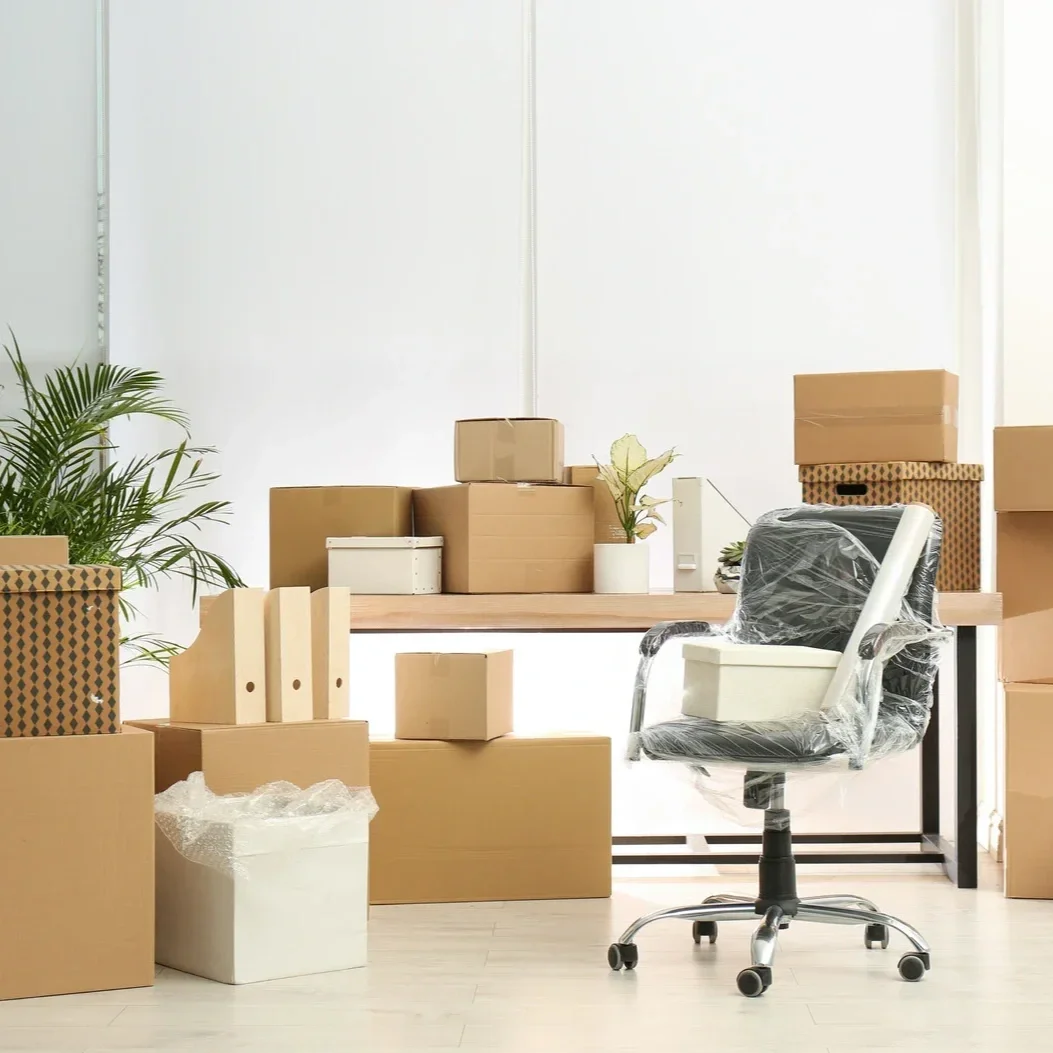
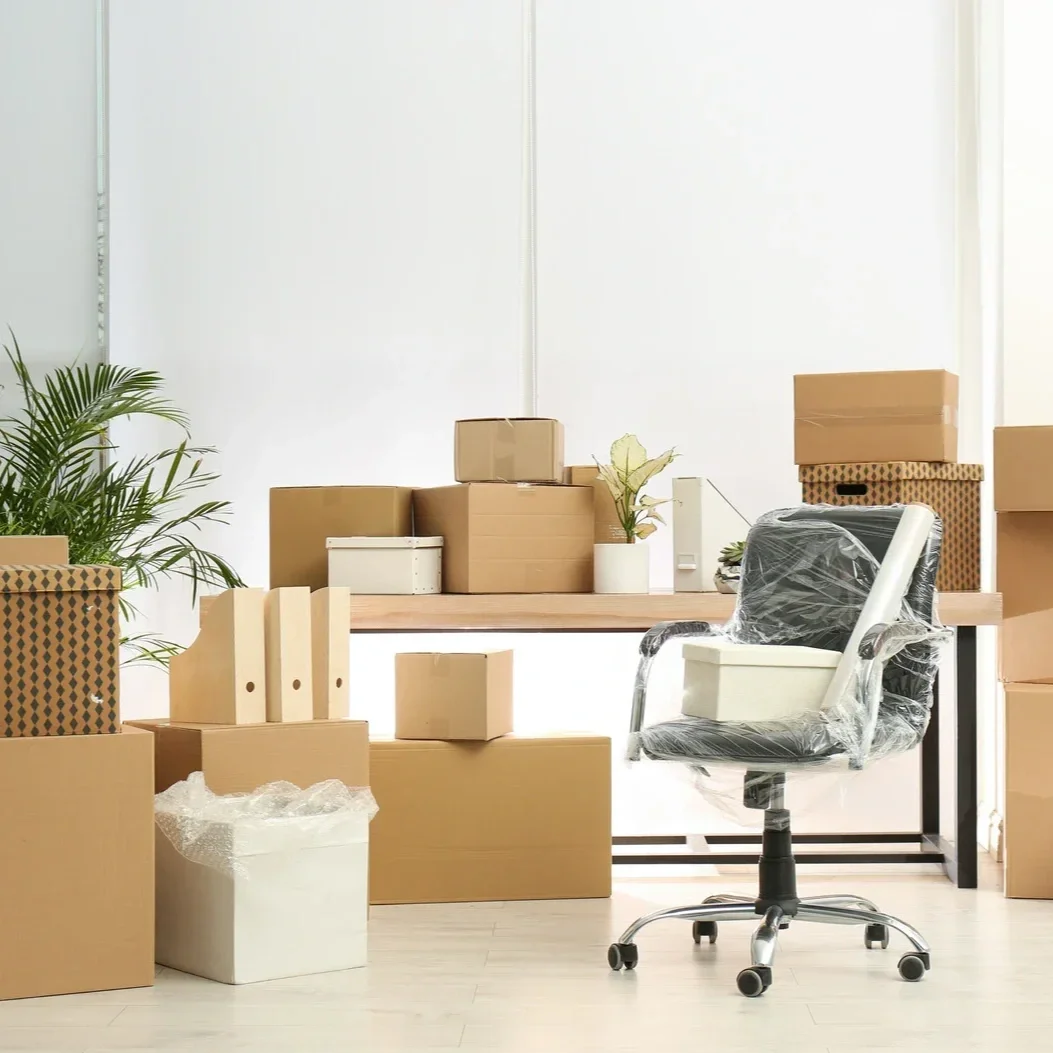
Proper packing and transportation of office equipment are critical to verifying that everything arrives safely at its new location.
Moving an office is a significant task that requires meticulous planning and execution. From computers and phones to furniture and printers, office equipment can be delicate, expensive, and essential to daily operations. Proper packing and transportation of office equipment are critical to verifying that everything arrives safely at its new location. The right approach minimizes downtime and avoids potential damage, which is why taking the time to pack and transport everything correctly is vital.
Handling Technology with Care
When it comes to office equipment, technology often takes the spotlight. Computers, servers, printers, and phones are essential for running day-to-day operations. Packing these items properly is crucial, as even a minor mishandling can result in costly damage.
For sensitive electronics, such as desktop computers or laptops, start by unplugging all cables and storing them separately. Labeling cables can make the reinstallation process easier once at the new location. Using original boxes for electronics is always the best option. If the original packaging isn't available, investing in sturdy, appropriately sized boxes with foam padding or bubble wrap can offer a secure alternative.
Servers and other sensitive hardware require extra precautions. These items should be packed with special consideration for their weight and fragility. Professional movers often use custom crates designed for these items, providing additional support and preventing sudden shifts during transport.
Packing Office Furniture
Office furniture tends to be larger and bulkier than typical office equipment. Desks, chairs, filing cabinets, and shelves need to be disassembled when possible. Disassembly not only makes transportation easier but also prevents damage to delicate parts, such as drawer handles or glass tabletops.
For desks with removable components, such as drawers, pack them separately to avoid stressing the furniture. Protecting larger pieces of furniture with moving blankets or shrink wrap is essential. Not only does it shield the items from dirt and scratches, but it also prevents them from shifting during the move.
Storage units, such as filing cabinets, also require special attention. Depending on the cabinet's weight and its contents, it may be best to empty it before moving. If it can't be emptied, securing the drawers to prevent them from sliding open during transport is necessary. Professional movers often use straps or locks to secure everything.
Special Care for Fragile Items
Office equipment doesn't always come in standard sizes, and some items require more care during packing. Breakable items, such as glass desks or framed artwork, should be packed with extra protection. Use bubble wrap or foam padding to wrap each item individually. For larger, more fragile items like glass tables, it's best to use custom-made crates that fit the item's shape perfectly.
If artwork or mirrors are involved, the pieces should be properly crated or cushioned to avoid cracks or scratches. Movers with experience in commercial relocation often use specialty materials for these items to ensure they arrive unscathed.
Labeling and Organizing for Easy Unpacking
Effective labeling is often overlooked in packing, yet it can save significant time when unpacking at the new office. Label each box with its contents and the area within the office where it should go. Be clear about fragile items or high-priority equipment that requires immediate attention upon arrival.
Consider color-coding the boxes for easier identification. For example, green labels can indicate technology items, while blue could represent supplies, and red could represent documents. A labeled inventory list will further help to confirm everything is accounted for and organized once at the new location.
Using numbered labels on boxes also helps track items during the move. If something gets misplaced or delayed, a numbered system allows for quick identification of the missing box. Professional movers often use a detailed inventory system to track every item throughout the process.
Choosing the Right Moving Equipment
Choosing the right tools and equipment is essential for efficiently packing and transporting office items. Smaller items, such as documents or office supplies, can easily fit into cardboard boxes, but larger items, such as furniture or office machines, require stronger moving equipment. Moving dollies, hand trucks, and heavy-duty straps are often necessary to safely move large, heavy items.
When moving delicate electronics, professional movers use padded carts or special moving equipment designed specifically for sensitive items. These tools prevent damage and minimize the risk of accidents during the move. Opting for professional movers with the right equipment makes the entire process faster and safer.
Disposing of Old or Unused Office Equipment
Relocation can also serve as an opportunity to clean out old or unused office equipment. Rather than packing items you no longer need, consider sorting through your equipment before the move. Items like old printers, fax machines, or outdated computers can be recycled or donated. Many commercial moving services offer junk removal or disposal services, so you don't need to worry about getting rid of unnecessary items.
Properly disposing of old office equipment is not only environmentally responsible but can also reduce clutter in the new office. As part of the moving process, professional movers can arrange disposal of non-working or obsolete equipment, saving you time and energy.
Professional Help Makes All the Difference
Commercial moving isn't something to leave to chance. Hiring professional movers brings the necessary expertise and experience to handle delicate office equipment. From advanced packing techniques to the proper transportation equipment, professional movers will help confirm that everything arrives at the new office without issues.
Professionals also offer valuable peace of mind. Knowing that trained movers are handling your office equipment can help reduce the stress and uncertainty of the move. By leaving logistics to the experts, you can focus on managing the business transition rather than worrying about packing and transporting office equipment.
Plan for the Unpacking Process
Unpacking and setting up in the new office can be just as time-consuming as packing. By carefully planning the unloading and assembly process, you can streamline the transition. Make sure to have a layout for the new office, so movers know exactly where to place items once they arrive. With a clear plan, they can quickly set up your office and get it ready for use, minimizing downtime and verifying employees can get back to work as soon as possible.
Conclusion
Packing and transporting office equipment can feel daunting, but with the right approach, it becomes a smooth, efficient process. Professional movers bring the expertise needed to handle delicate electronics, heavy furniture, and fragile items with care. By organizing everything properly, using the right materials and equipment, and enlisting professional help, businesses can minimize downtime and avoid damage to their valuable office assets. With the right planning and execution, your business can be up and running at the new location in no time.
Aardvark Movers Inc. is a reputed moving company in Phoenix, Arizona, with experienced and skilled movers to assist with residential moving and commercial moving. We serve Phoenix, Scottsdale, Chandler, Tempe, Mesa, Gilbert, Glendale, Cave Creek, Carefree, Surprise, Sun City, Paradise Valley, Apache Junction, Maricopa County, and all of Arizona. Call today!


