
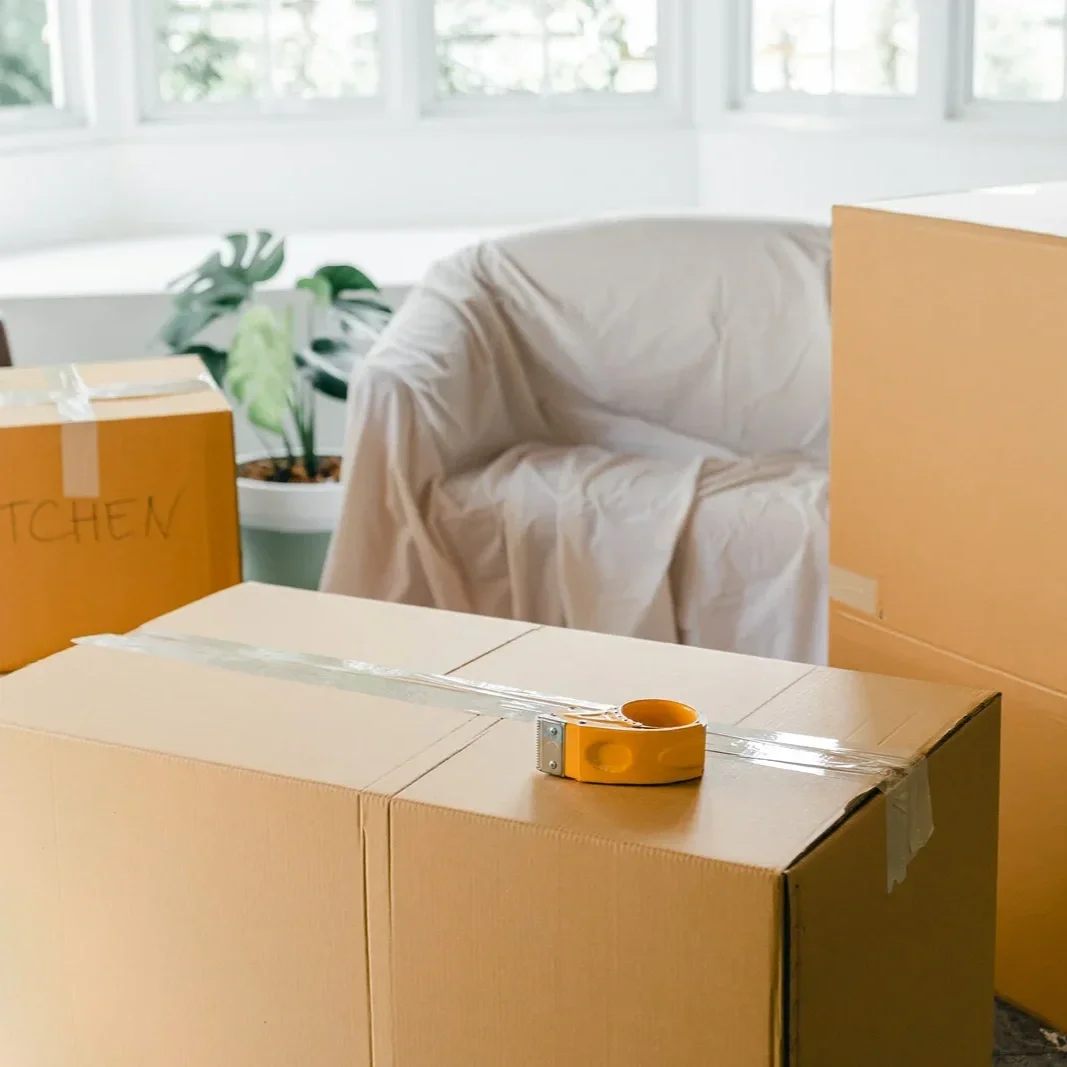
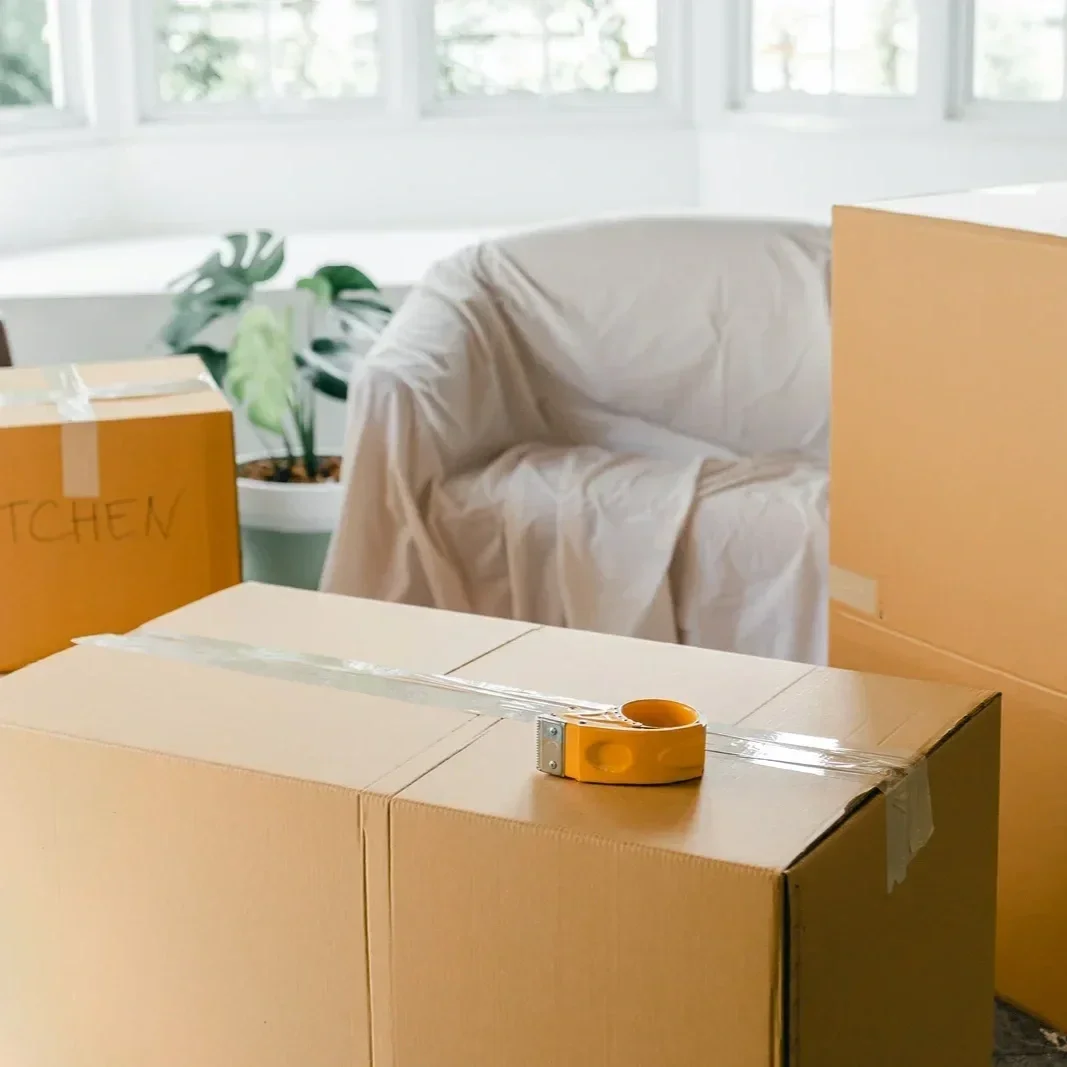
Packing and unpacking can feel like an endless game of sorting, stacking, and hoping fragile items survive the journey. Even the most organized households can feel overwhelmed when every drawer, closet, and cabinet suddenly needs attention. The right approach saves time, prevents unnecessary stress, and keeps the moving day from becoming chaotic. While professional movers handle transportation and heavy lifting, a thoughtful packing and unpacking strategy keeps everything running smoothly from start to finish.
Professional moving services rely on efficiency, planning, and proven techniques. When homeowners understand how the packing and unpacking process works, the entire move becomes more predictable and manageable. From early preparation to settling into a new space, every step plays a role in protecting belongings and creating a smooth transition.
Start With A Decluttering Session
Packing items that have not been used in years adds time, cost, and frustration to a move. A relocation provides the perfect opportunity to evaluate what truly belongs in the next chapter of life. Closets often hold outdated clothing, kitchens collect duplicate tools, and storage areas fill with forgotten items that no longer serve a purpose.
Sorting belongings before packing reduces the number of boxes and simplifies unpacking later. Items in good condition can be donated or sold, while broken or outdated items can be responsibly discarded. Professional movers often recommend decluttering early to reduce labor time and transportation costs. Starting fresh in a new home feels far more rewarding when unnecessary clutter is left behind.
Gather High-Quality Packing Supplies
Reliable packing materials are essential for protecting belongings during transit. Thin boxes, weak tape, or improper padding increase the risk of damage. Professional packing services rely on sturdy boxes designed to support weight without collapsing. Reinforced tape, packing paper, bubble wrap, and furniture pads add layers of protection where they matter most.
Specialty boxes also play an important role. Dish packs protect glassware and plates, wardrobe boxes keep clothing on hangers, and electronics boxes prevent shifting during transport. Many professional moving companies offer commercial-grade packing supplies that outperform standard retail options. Investing in quality materials improves efficiency and reduces the likelihood of costly damage.
Pack Room By Room
Packing randomly across multiple rooms leads to confusion and misplaced items. A room-by-room approach keeps the process structured and organized. Each space can be entirely packed before moving on, creating a clear system that translates directly into easier unpacking.
Non-essential rooms such as guest bedrooms, storage areas, and rarely used spaces are ideal starting points. This approach allows daily routines to continue with minimal disruption. As moving day approaches, essential areas like kitchens and bathrooms can be packed last. Professional movers appreciate clearly defined rooms because they allow boxes to be delivered directly to their intended locations.
Label Boxes Clearly
Clear labeling is one of the most effective ways to simplify unpacking. Writing only the room name provides limited information. Adding brief descriptions such as “kitchen – cookware” or “bedroom – linens” allows for quicker identification and prioritization.
Numbering boxes or using color-coded labels creates an additional organizational layer. Professional moving crews rely on accurate labels to place items correctly during unloading. Fragile items should be clearly marked to secure careful handling. Detailed labeling reduces the need to open multiple boxes to find a single item.
Pack A First-Night Essentials Box
After a long moving day, no one wants to search through boxes for basic necessities. A dedicated first-night essentials box provides immediate access to important items. Toiletries, medications, chargers, a change of clothes, and basic kitchen supplies should all be included.
Many homeowners also pack bedding, cleaning supplies, and simple snacks in this box. Having coffee supplies or breakfast essentials ready for the next morning adds comfort during the transition. Professional movers recommend keeping this box with personal belongings rather than loading it onto the truck to guarantee easy access.
Protect Furniture And Large Items
Furniture is among the most valuable and vulnerable items during a move. Scratches, dents, and torn upholstery can occur without proper protection. Professional movers use furniture pads, stretch wrap, and corner protectors to safeguard surfaces during loading and transport.
Disassembling large items such as bed frames, tables, and shelving units reduces strain and prevents structural damage. Hardware should be stored in labeled bags, secured to the furniture, or packed separately. Proper preparation allows movers to handle large items efficiently while minimizing risk.
Communicate With The Moving Team
Clear communication with the moving crew sets expectations and improves efficiency. A walkthrough before loading allows movers to understand the layout, identify fragile items, and plan the loading sequence. Sharing information about high-priority boxes or specialty items helps the crew allocate attention where it is most needed.
Professional movers rely on collaboration to perform efficiently. Answering questions, pointing out access challenges, and confirming placement instructions ensure belongings arrive safely and end up in the correct rooms. Strong communication reduces delays and prevents misunderstandings during a busy moving day.
Unpack With A Plan
Unpacking without direction often leads to clutter and frustration. A structured plan keeps the process manageable and prevents decision fatigue. Essentials such as beds, bathrooms, and kitchens should be prioritized to establish immediate functionality.
Large furniture and appliances are typically placed first to define room layouts. Once major items are positioned, storage areas such as closets and cabinets can be organized logically. Tackling one room at a time prevents half-finished spaces and allows for visible progress. Professional movers often assist with furniture placement, making it easier to build around a functional layout.
Break Down Boxes As You Go
Empty boxes accumulate quickly and can overwhelm new spaces. Breaking down boxes as they are emptied keeps rooms clear and organized. Flattened boxes can be stacked neatly in one area until recycling or reuse.
Many moving companies offer box pickup or reuse programs, making disposal simple. Reducing clutter during unpacking creates a more comfortable environment and speeds up the settling-in process.
Give Yourself Time To Settle In
Unpacking does not need to happen in a single day. Attempting to complete everything immediately often leads to burnout. Prioritizing essentials allows homeowners to live comfortably while unpacking continues gradually.
Decorating, fine-tuning furniture placement, and organizing decorative items can happen over time. Allowing space for adjustment helps the new home feel more intentional and personal. Professional movers focus on creating a smooth transition, but settling in is a process that unfolds naturally.
Packing and unpacking require patience, organization, and professional insight. While experienced movers handle the logistics, a well-planned approach keeps the process efficient and stress-free. With proper preparation and support, a new home quickly becomes familiar and welcoming.
Urgent Packing & Unpacking Questions to Know Before Moving Day
Should packing be done before movers arrive?
Yes, most professional movers recommend completing packing before moving day unless packing services are included. This allows the moving crew to focus on loading and transportation efficiently.
Do professional movers provide packing materials?
Many professional moving companies offer high-quality packing supplies or full packing services. These materials are designed specifically for safe transport and improved efficiency.
How long does unpacking usually take after a move?
Unpacking timelines vary based on home size and organization level. Essential rooms can often be functional within one to two days, while full unpacking may take several days or weeks.
What items should not be packed by movers?
Items such as important documents, medications, valuables, and personal electronics are best kept with the homeowner. Movers may also restrict the transport of hazardous materials.
Is professional packing worth the investment?
Professional packing saves time, reduces the risk of damage, and improves overall efficiency. For many households, the added protection and reduced stress make it a valuable service.
Aardvark Movers Inc. is a reliable name whether you need packing services, piano moving, or load or unload only services. Call today to learn more about our hourly moving rates. We are a reputed moving service company you can count on in Phoenix, Scottsdale, Chandler, Tempe, Mesa, Gilbert, Glendale, Cave Creek, Carefree, Surprise, Sun City, Paradise Valley, Apache Junction, Maricopa County, and all of Arizona. Call now!


