
Most people assume a bed is the easiest thing to take apart: pull four legs, unbolt a headboard, done in minutes. That assumption holds until you hit a cam lock system with no screws, or a footboard bracket under the mattress. A platform bed and a sleigh frame do not share one method, and guessing at yours is how you lose a bolt or scratch a finish.
You do not need to be a furniture assembler to get this right, but you do need the right order. Find your frame type before you touch a tool, protect every bolt you remove, and match your reassembly to how you took the bed apart, or you hunt for a missing cam lock at midnight in your bedroom.
QUICK ANSWER: Identify your frame type, then remove the mattress and hardware in the following order: headboard, footboard, rails, slats. Bag and label every bolt, and reverse that order to reassemble, checking each connection for tightness before you use the bed.
How to Tell What Your Bed Frame Actually Needs
A frame's disassembly method depends on how it is built, and four common types cover most homes. A platform bed with wooden slats usually separates into a headboard, a footboard, and two side rails held by cam locks or hex bolts, with the slats lifting free once the rails come apart. A metal frame relies on hooks and braces that unclip, not unscrew. A wooden sleigh frame often hides a center support beam and corner brackets bolted under the mattress, while a bunk or loft bed adds a ladder and guardrails that come off first. A frame held together with glue or exposed nails, not bolts or cam locks, was never built to separate, so leave it assembled and hand it to your moving crew, since a joint you cannot repair is not worth risking.
Look under your mattress and along the inside edge of each rail before you decide how far to take your bed apart. A short move across town with a wide doorway might only need the headboard and footboard separated from the rails, while a long-distance move or a narrow stairwell usually calls for full disassembly. Matching your teardown to the route saves you time and keeps you from removing hardware that was never needed.
What Rides Flat and What Doesn't?
A mattress and a box spring can often ride to the truck fully intact, carried on edge or flat depending on the doorway and stairs, as long as you wrap them to keep them clean and away from anything sharp. Neither piece has any hardware you can remove, so the decision here is about handling, not disassembly.
The frame is a different story. Headboards, footboards, rails, and any center support almost always need to come apart for safe transport, because an assembled frame is an awkward, easily racked shape that will not sit flat in your truck or stack against other furniture. Even a compact platform frame usually travels better, and arrives straighter, once you break it down into flat panels and rails.
The Tools This Job Actually Requires
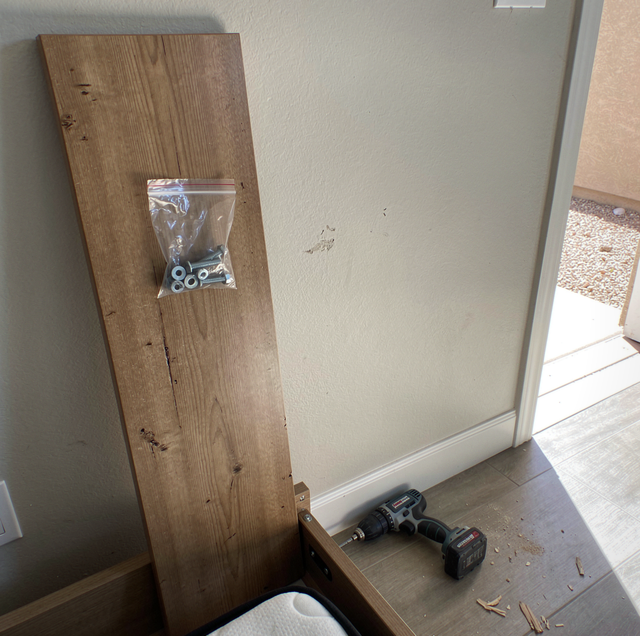
Most beds come apart with a short list of tools: a hex or Allen key set covering several sizes, a Phillips and a flathead screwdriver, an adjustable wrench for larger bolts, and a rubber mallet for cam locks swollen slightly with age. A cordless drill speeds up a frame with many screws, though hand tools work fine for one bed.
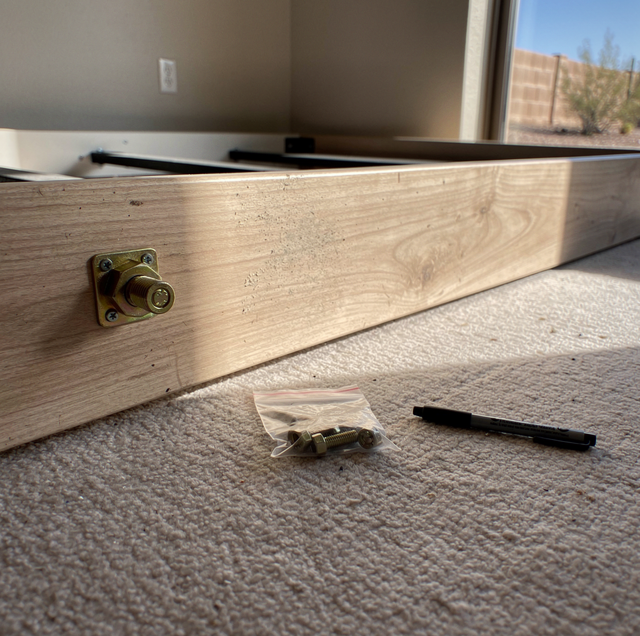
Buy small resealable bags and a permanent marker before you start, not after you have a pile of loose bolts on the floor. Label each bag by the part it belongs to, tape it to the matching panel, and photograph any bracket or cam lock before it comes apart. That habit saves you more reassembly time than any tool on your list.
Bed Frame Types, Side by Side
The table below lines up the four common frame types against what comes apart, the hardware you will handle, and the time it takes to reassemble once your truck arrives.
| Bed Type | What Comes Apart | Hardware You Handle | Rough Reassembly Time |
|---|---|---|---|
| Platform bed (slats) | Rails, slat supports, sometimes the headboard | Cam locks or hex bolts, wooden dowels | 15-25 minutes |
| Standard metal frame | Headboard, footboard, side rails | Hex bolts, frame hooks, cross braces | 10-20 minutes |
| Sleigh or wood frame | Headboard, footboard, rails, center beam | Cam locks, wood screws, corner brackets | 25-40 minutes |
| Bunk or loft bed | Full frame, ladder, guard rails | Long carriage bolts, safety pins | 40-60 minutes |
| Adjustable base | Legs only; frame usually stays whole | Leg brackets, power cord | 5-10 minutes |
A platform or metal frame is the fastest job on either end, which is why most single beds and guest rooms fall into that middle ground. A sleigh frame or a bunk bed earns its place at the slow end because both hide more hardware and weight in fewer, larger panels, so give yourself extra time and a second pair of hands if your bed matches either type.
How to Take the Frame Apart Without Losing the Hardware
Start with the headboard and footboard: Loosen the bolts or cam locks connecting each end panel to the side rails, supporting the panel's weight with your free hand or a second person as the last bolt comes free. Set each panel against a wall, padded side facing in; left flat on the floor, it can get stepped on or scuffed by anything else moving through the room.
Move to the rails and center support: With the end panels off, the side rails usually lift free of their brackets or hooks once you tilt them slightly and pull. A center support beam, if your frame has one, typically unbolts from both rails and can be set aside with its own hardware bagged and labeled separately from the rest.
Handle cam locks and hex bolts correctly: A cam lock has a metal barrel that turns a hidden hook, so give it a quarter turn with a screwdriver or hex key, not a straight pull, and note the direction it turned so you can reverse it the same way later. Back hex bolts out fully, not left loose in a bracket, since a partially threaded bolt can snap off in transit and jam the hole it came from. If a bolt resists after a quarter turn, stop and check for a second hidden fastener instead of applying more force, since many frames use a locking screw or a small set pin alongside the main bolt, and forcing past that pin strips the threads and turns a quick fix into a hardware-store trip, treating resistance as a signal, not a reason to push harder.
WARNING: A wood sleigh panel or a loaded platform base can weigh more than one person should carry, so hand that piece to your moving crew for a two-person lift instead of wrestling it through a doorway.
How to Protect the Headboard and Footboard in Transit
Wrap each panel in a moving blanket secured with stretch wrap or painter's tape, not packing tape, which can pull finish off a painted or lacquered surface later. Pay extra attention to corners and any carved or upholstered detail, since those spots take the brunt of a bump against a doorway, and skipping this is how you end up with a mark that outlasts the move.
Stand panels on their edge along the truck wall, not flat under other cargo, and separate a headboard from a footboard with a blanket between them so hardware or a rough edge on one does not mark the other. Rails and slats travel well banded together with the hardware bag taped on, keeping every piece of one bed grouped in one spot, not scattered across the truck.
How to Put It Back Together on the Other End
Reassembly goes fastest in reverse of however you took the bed apart, starting with rails and any center support, then attaching the headboard and footboard last. Check your labeled bags and phone photos before you tighten anything, since a bracket installed backward or a bolt in the wrong hole is easier to fix before it is under load.
Tighten every cam lock and bolt once the frame is square, then rock it gently by hand to confirm nothing shifts before you set the mattress and box spring back on top. A frame that still wobbles after tightening usually has one bolt left loose along a rail, not a structural problem, so recheck each connection point and skip the guessing.
Who Handles the Bed From Here
Your part of this job ends once you have the frame labeled, bagged, and wrapped, and the mattress protected for the ride. From there, the work shifts to whoever loads the truck: securing panels so they do not shift against each other, keeping hardware bags with their matching pieces, and setting the frame in an order that simplifies unloading.
A moving crew that handles beds regularly will usually reassemble the frame on arrival, so ask about it well before moving day.
Frequently Asked Questions
Do I need to disassemble a bed for a move across town?
Even a short move across town usually goes better if you break your frame down, since an assembled bed rarely clears a doorway without scraping paint off a narrow wall, and a loaded truck holds flat panels more efficiently than one bulky shape. The exception is a same-floor move within one building, where your bed might travel intact if your hallways are wide enough.
Will professional movers disassemble and reassemble a bed as part of the job?
Most full-service movers include basic bed disassembly and reassembly for standard frame types as part of your move, though some charge extra for specialty pieces like a bunk bed, a canopy frame, or an adjustable base with wiring, and a few still require advance notice for those. Ask specifically about your frame type when you book, since furniture disassembly can mean very different things depending on the company you choose.
What do I do if I lose a bolt or a cam lock before reassembly?
Most bed hardware follows a handful of standard sizes, so you can usually match a lost cam lock, hex bolt, or barrel nut at your hardware store by bringing the mating piece for comparison, not by guessing at a size. Furniture manufacturers also sell replacement hardware kits by model number if you still have the original packaging or a receipt, which saves you a trip if your local store does not carry that exact part.
Do wooden slats need anything special during a move?
Your wooden slats crack more easily than your own rails that hold them, especially if thin or already carrying a hairline split, so stack them flat and banded together, not propped on an edge where a bump can snap one. If you spot one already cracked, replace it before you move, since a broken slat can sag later.
How long does a full bed teardown usually take?
The biggest time-sink is rarely the frame itself; it is hunting for the right tool size mid-job on your particular bed, since a stripped or rusted hex socket can turn a five-minute panel into a twenty-minute one. Keeping a full hex and Allen set on hand, not just the single wrench you assume will fit, removes most of that guesswork before you start. Doing the work the night before, not the morning of your move, leaves room to solve a stuck panel calmly.
What if the frame won't sit right during reassembly?
A frame that sits off after your reassembly, one corner higher or a rail that won't seat, almost always means a bracket landed one hole over from where you started, not a damaged part, since most frames use symmetric mounting points that let a panel sit slightly wrong without breaking. Loosen the two connections nearest that corner, square your frame by eye along the top rail, and tighten again as you work outward. Compare the result against your phone photos from disassembly, since a missing spacer or washer is easy to spot side by side but easy to miss on its own. Most fit problems trace to one connection, so check them in order before you assume a part is damaged.
Book a crew that disassembles the bed, protects every panel in transit, and reassembles the whole frame back at your new address — no missing bolts, no scratched headboards, and no guesswork about which piece goes where once the truck is fully unloaded. Aardvark Movers serves Phoenix and the Valley. Call (602) 716-5555.


