
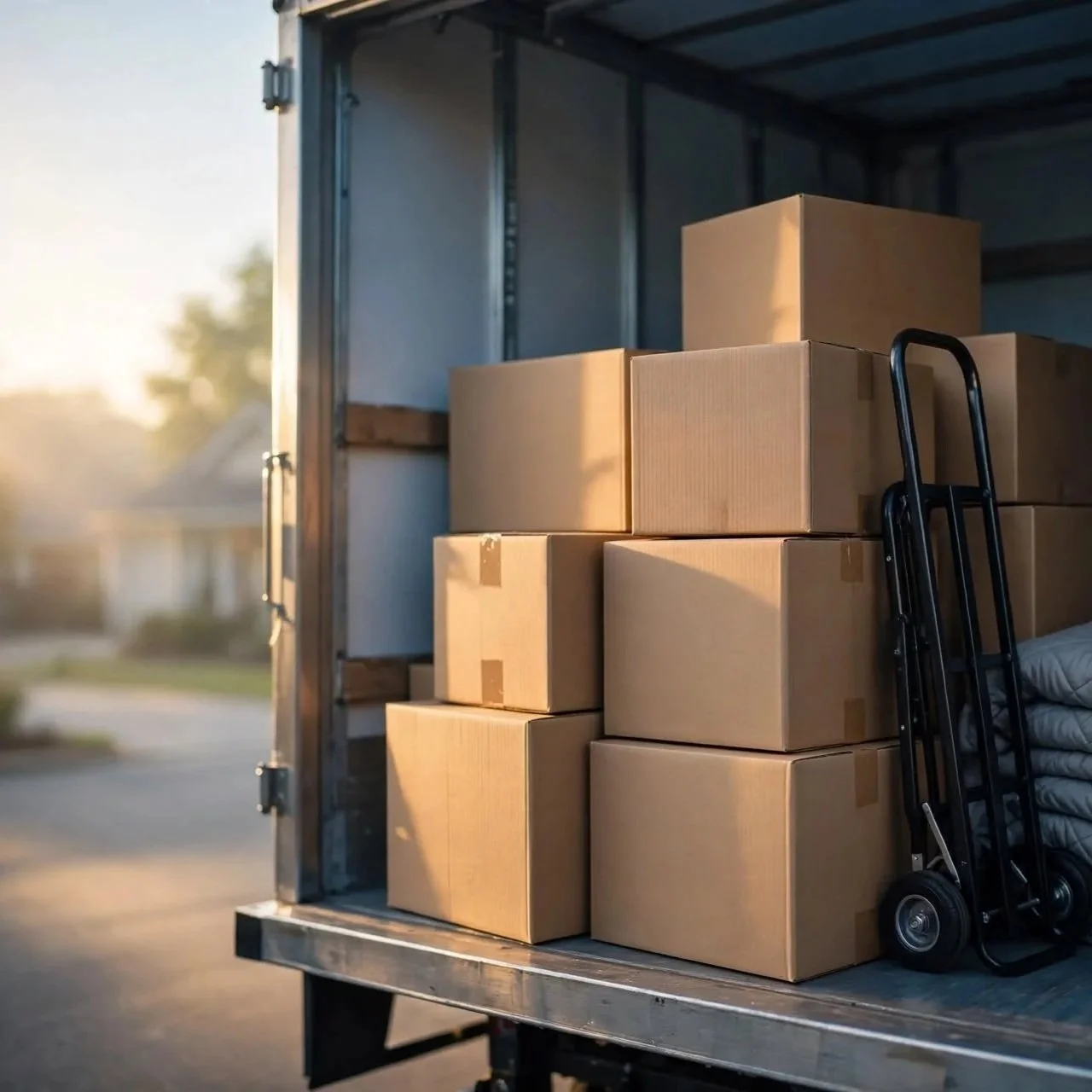
By mid-morning, a moving truck left closed in direct sun can already read hotter inside than the air outside it, and by early afternoon that same box can climb well past a hundred degrees. Add a crew making trip after trip across a hot driveway, and a "just get it done" moving day starts working against everyone in it, not just the schedule. Choosing when to move during the hottest stretch of the year is not a small logistics detail. It determines how safely the people carrying the boxes and the items inside them make it to the other end.
Why Timing Matters for a Hot-Weather Move
Heat builds fastest in enclosed spaces, and a moving truck qualifies as one of the worst offenders. A closed cargo box in direct sun traps heat far more efficiently than the surrounding air, and once the inside temperature climbs past what a body can tolerate for hours of physical labor, the risk shifts from uncomfortable to dangerous. Heat exhaustion does not wait for the hottest part of the day to announce itself. A mover lifting heavy furniture for hours in high heat can show early symptoms- dizziness, heavy sweating, a racing pulse- well before anyone thinks to call for a break.
Homeowners carry some of that same risk. A person unloading boxes or making repeated trips between a house and a truck in extreme heat is doing the same physical work as a professional crew, often without the conditioning or the built-in break schedule a trained mover relies on. Long stretches of exertion in high heat wear down anyone's judgment and coordination, and a tired, overheated person handling a heavy box on a staircase is exactly the situation that leads to dropping an item or missing a step.
Belongings feel the heat too, sometimes more than the people carrying them. Wooden instruments, vinyl records, and anything held together with glue or veneer can warp or separate when left in a hot truck for hours. Electronics, particularly anything with a battery or an LCD screen, can suffer permanent damage from sustained high heat even without a single bump along the way. Candles, certain plastics, and finished wood furniture soften or discolor under the same conditions. None of that damage shows up in the truck. It shows up hours or days later, after the items have cooled back down and the harm is already done.
Pavement adds a less obvious layer of risk. A driveway or a stretch of asphalt baking under peak sun can reach temperatures high enough to make repeated trips in thin-soled shoes uncomfortable and even risky, and it also softens the footing under a heavy dolly load. A hand truck that rolls smoothly on cool concrete can behave differently on pavement that radiates heat back up at the person pushing it, which changes the margin for error on every single trip.
Why Early Morning Is Generally the Safest Window
Early morning, before the sun has had hours to build up ambient heat, is consistently the safest time of day to load a truck and get moving. Air temperature during the first few hours after sunrise is typically ten to twenty degrees cooler than the same afternoon, and that gap matters more than it sounds like it should when a crew is carrying furniture up and down stairs for hours at a stretch.
A truck loaded early also spends less of its trip time sitting in peak sun with the doors closed. A load that goes in at sunrise and gets driven within an hour or two never reaches the extreme interior temperatures a truck sitting parked through the middle of the day will hit. That difference alone can decide whether a wooden dresser or a box of records survives the trip in the same condition it started in.
There is a human factor too. A crew that starts early gets the heaviest, most physical part of the job, the loading, done before fatigue and heat compound each other. Energy and attention are both highest early in the day, which is exactly when the most demanding lifting should happen. By the time peak heat hours arrive in the early-to-mid afternoon, an early-start crew is often already unloading in a house, out of direct exposure, rather than still working a truck parked in full sun.
Trade-offs of Different Times of Day
Midday and early afternoon carry the highest risk by a wide margin. This is when air temperature peaks, pavement has had the longest stretch of sun exposure, and a parked truck reaches its hottest interior readings. A move scheduled through this window asks the most of both people and belongings at the worst possible time, and it is the stretch worth avoiding if a schedule allows any flexibility at all.
Late afternoon and early evening cool down somewhat, but the ground and any parked truck retain heat well after the air temperature starts to drop. A driveway or a truck bed can still be dangerously hot an hour or two after the peak, even once the sun has moved lower in the sky. This window is better than midday but still carries more risk than a true early-morning start.
Night moves solve the heat problem directly but introduce a different set of issues: reduced visibility, noise concerns for neighbors, and fewer people alert and available on short notice if something goes wrong. For a household without a specific reason to move after dark, an early-morning start solves for heat without trading away the practical advantages of daylight.
Practical Heat-Safety Tips for Moving Day
A few adjustments make a meaningful difference no matter what window ends up on the calendar. Water should be available constantly, not just at breaks. The point is to drink before thirst sets in, since thirst is already a sign that hydration is behind schedule. Frequent short breaks in shade, even five minutes at a time, help more than one long break at the end of a long stretch of lifting, because heat stress builds gradually and is easier to head off early than to reverse once it sets in.
Heat-sensitive items deserve their own plan. Electronics, records, wooden instruments, candles, and anything with glue or veneer construction should be among the last items loaded and the first unloaded, minimizing the time they spend sitting in a closed, hot truck. Where possible, these items travel in an air-conditioned vehicle instead of the moving truck itself, especially on a day when the truck will sit for any length of time between loading and unloading.
Clothing matters more than it seems. Light-colored, breathable clothing and a hat make a real difference over hours of outdoor work, and closed-toe shoes protect against hot pavement and dropped items alike. A short pause to reapply sunscreen costs almost nothing next to the alternative of sunburn compounding heat exhaustion by the middle of the day.
Scheduling flexibility is the biggest lever available. A household that can shift a move by even a few hours, starting at sunrise instead of mid-morning, gains a meaningful safety margin without changing anything else about the plan. Building in a buffer for an early start, rather than locking in a time that assumes everything goes perfectly, gives a crew room to adjust if an unusually hot forecast shows up close to move day.
How a Professional Moving Company Plans Around Extreme Heat
A trained crew treats heat as a planning variable, not an obstacle to push through. That starts with scheduling: booking the earliest reasonable start time during the hottest months and building in more frequent breaks than a cooler-weather job would need. Crews rotate physically demanding tasks so no one person carries the heaviest load for hours straight, and supervisors watch for early signs of heat stress rather than waiting for someone to say something.
Equipment and packing choices shift too. Padding and wrapping heat-sensitive items gets extra attention, and a crew that knows a delivery will sit for any stretch of time plans to keep vulnerable items out of the truck until closer to departure. Trucks get pre-cooled or parked in shade when the schedule allows it, and loading order is planned so the most heat-sensitive boxes go in last and come out first.
None of this removes the challenge that extreme heat presents for a move, but it narrows the window when risk is highest and gives both the crew and the belongings a better chance of finishing the day in the same condition they started in.
Frequently Asked Questions
Is early morning always better than every other time for a summer move?
For most homes, yes. The cooler air, cooler pavement, and shorter truck exposure time all favor an early start. The main exception is a move with a specific reason to occur later, such as a lease handoff time that cannot shift.
How hot can the inside of a closed moving truck actually get?
A closed truck sitting in direct sun for a few hours can climb well past the outside air temperature, sometimes by thirty degrees or more. That heat builds fastest in the first hour and keeps climbing the longer the truck sits closed.
What are early signs of heat exhaustion to watch for during a move?
Heavy sweating, dizziness, headache, nausea, and a racing pulse are common early signs. Anyone showing these symptoms should stop lifting immediately, move to shade, and hydrate before returning to work.
Should heat-sensitive items travel in the moving truck or a separate vehicle?
When possible, items like electronics, records, and wooden instruments do better in an air-conditioned vehicle, especially if the truck will sit for any length of time between loading and delivery.
Does moving at night avoid the heat risk entirely?
It removes the heat problem but reduces visibility and makes fewer people readily available if something goes wrong. Early morning solves for heat without those trade-offs for most households.
Can a move still happen safely if it has to be scheduled during peak afternoon heat?
Yes, with adjustments: more frequent shade breaks, constant hydration, and extra attention to heat-sensitive belongings. It carries more risk than an early start, but a planned approach can still bring it in safely.
Schedule your move for the safest hours of the day — plan an early start with a crew that knows how to protect people and belongings from extreme heat. Aardvark Movers serves Phoenix and the Valley. Call (602) 716-5555.


